The energy across the tech industry is high, but it’s shifting. While the initial wave of excitement around generative AI was defined by what was possible in a sandbox, we are squarely in the era of execution. I spend more and more of my time talking to founders who are working to move past experimentation, and to build autonomous systems that handle high-stakes tasks without human intervention.
What we’re seeing is a fundamental shift in how software interacts with data. An agent is only as capable as its memory, and for these systems to be effective, they require a data platform that can handle real-time vector search and complex metadata without the friction of a fragmented stack. At MongoDB, we’ve focused our efforts on bridging the gap between PoC and production, ensuring developers can build a system of action that powers these workflows at record speed.
In this issue, I’m highlighting four innovative companies from around the world—Tavily, DevRev, Zomato, and Rierino. From providing real-time web context to agents to automating complex enterprise handoffs, these leaders are proving that the right data foundation is the difference between a prototype and a market-leading product.
Tavily
As AI agents move into high-stakes autonomous workflows, preventing hallucinations by providing real-time context is paramount. Tavily provides the infrastructure to connect LLMs to the live web, acting as a search engine built specifically for autonomous agents.
Since these agents prioritize raw data over human-centric UIs, Tavily required a system optimized for extreme latency. This setup allows them to serve as the memory for new nodes on the internet graph while absorbing traffic spikes without a hiccup.
Figure 1. The road to insightful responses for users with TavilyHybridClient.
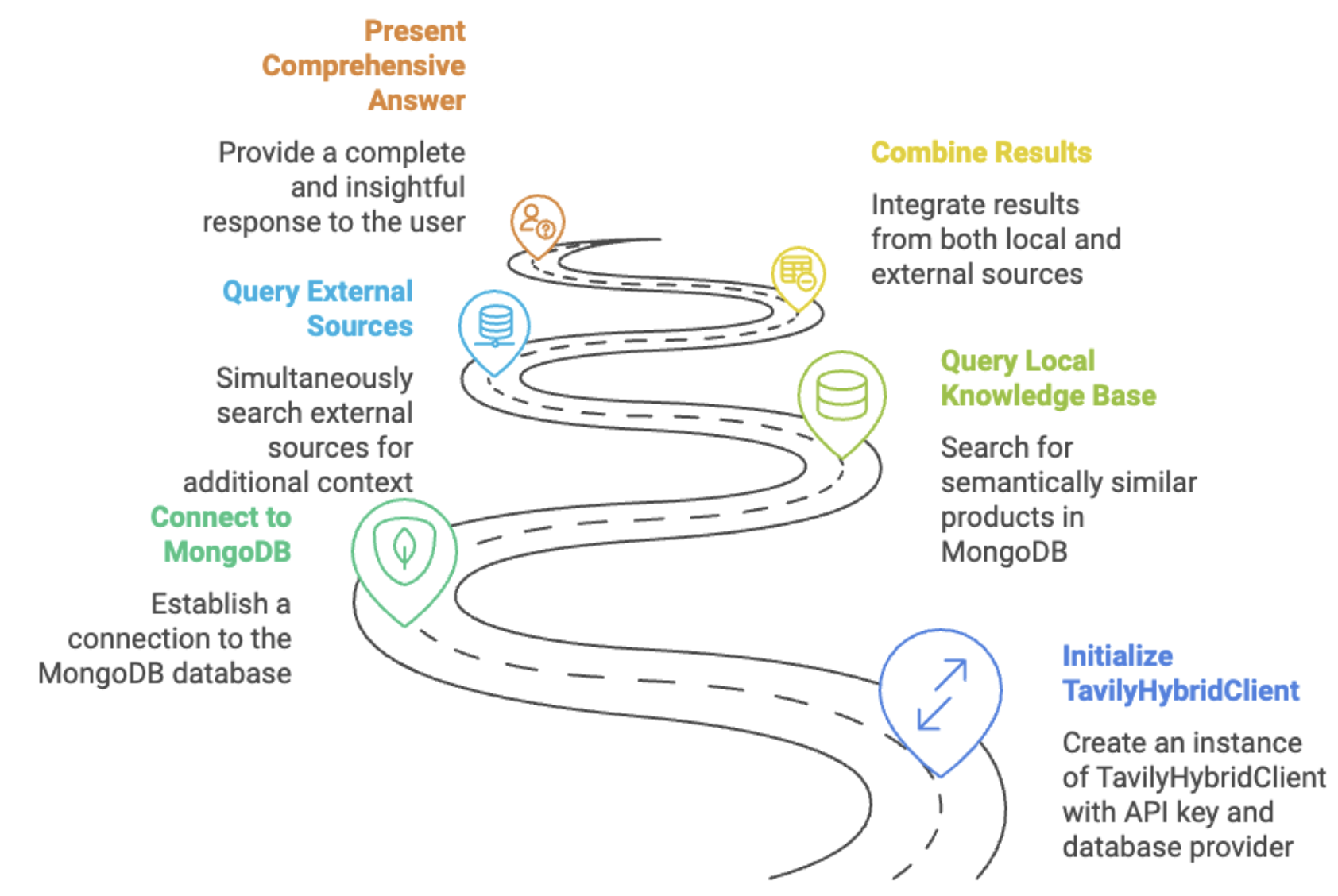
Tavily built this foundation on MongoDB Atlas. By leveraging the document model and MongoDB Vector Search, Tavily injects proprietary data into prompts with the speed of a hot cache. This native integration eliminates the need to bolt on a separate vector database, reducing overhead.
By offloading management to MongoDB Atlas, Tavily’s lean engineering team is free to focus on driving product innovation and market growth instead of the daily maintenance of their data infrastructure.
DevRev
DevRev was founded to eliminate the silos between CRM, support, and engineering. Their AgentOS platform uses AI agents to analyze a company’s complete context, ensuring data-informed decisions across the business.
However, centralizing operational data from disparate legacy systems required a platform that offered both horizontal and vertical scalability without the inefficiency of moving data between fragmented tools.
DevRev built its architecture on MongoDB Atlas, utilizing the MongoDB Attribute Pattern to query billions of documents across a microservices-based environment. By storing vector embeddings natively and using MongoDB Vector Search, DevRev provides domain-specific context that delivers 3 to 4 times higher development velocity than alternative databases. This flexible foundation allows DevRev to plug and play new agents as they scale, shortening the distance between a feature idea and a live release.
Zomato
With 25 million active monthly users, Zomato faced a sprawling customer support operation spread across 10 disparate platforms. To reclaim efficiency, the world’s second-largest food delivery company built Nugget, an AI-native CX platform.
After rigorously testing DynamoDB and DocumentDB, Zomato chose MongoDB Atlas as the data layer for Nugget, citing its superior aggregation pipeline, write consistency, and flexible schema as the deciding factors for handling complex AI workflows.
The impact has been transformative. Nugget now orchestrates 15 million conversations per month through autonomous AI agents that reason across evolving conversational context and user history. This architecture has enabled Zomato to reduce annual spend from $20 million to $9 million.
By scaling Nugget into a multi-tenant enterprise offering on Atlas, Zomato has successfully transitioned from a food delivery leader to a provider of high-performance automation for the global fintech and healthcare sectors.
Rierino
Enterprises turning to Rierino require the flexibility to manage complex AI agents across distributed architectures. Whether managing millions of SKUs for global marketplaces or orchestrating national citizen services, Rierino needed a resilient database that matched their low-code DNA. To meet strict compliance and security standards in finance and government sectors, they required a solution that could scale across any cloud provider without sacrificing performance.
Figure 2. Rierino workflow and data management.
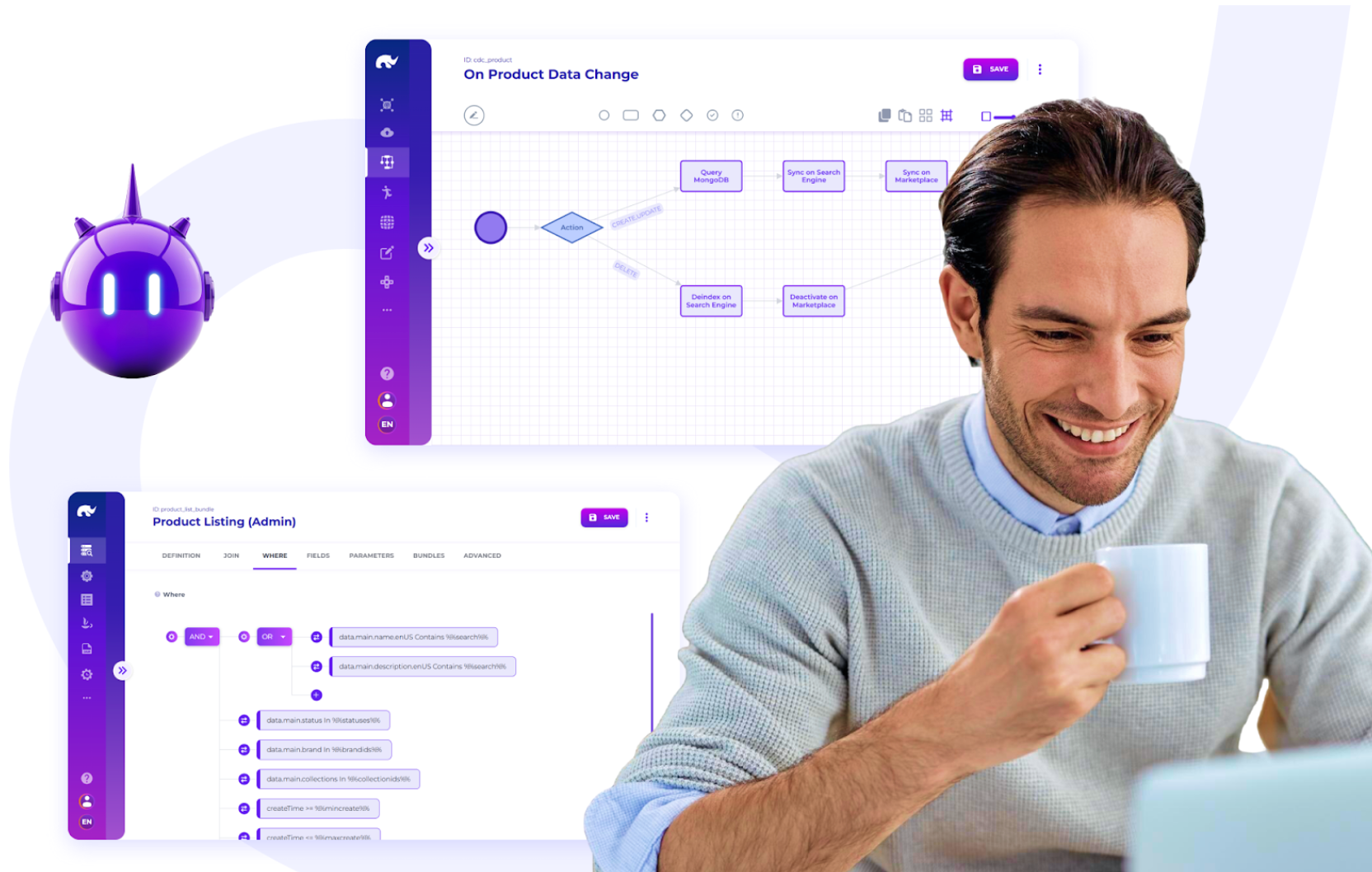
Rierino utilizes MongoDB Enterprise Advanced and Cluster-to-Cluster Sync to maintain resilience and low-latency performance. Within Rierino’s AI Agent Builder, MongoDB supports the orchestration of human users and agents, managing everything from workflow diagrams to AI agent memory in a single model.
This execution-first foundation allows Rierino’s clients to process hundreds of thousands of transactions per hour and reduces release cycles from months to weeks. By streamlining the interplay between AI and data, Rierino ensures enterprises can deploy autonomous systems and human judgment as a single, high-performance team.
Video Spotlight - Rox AI
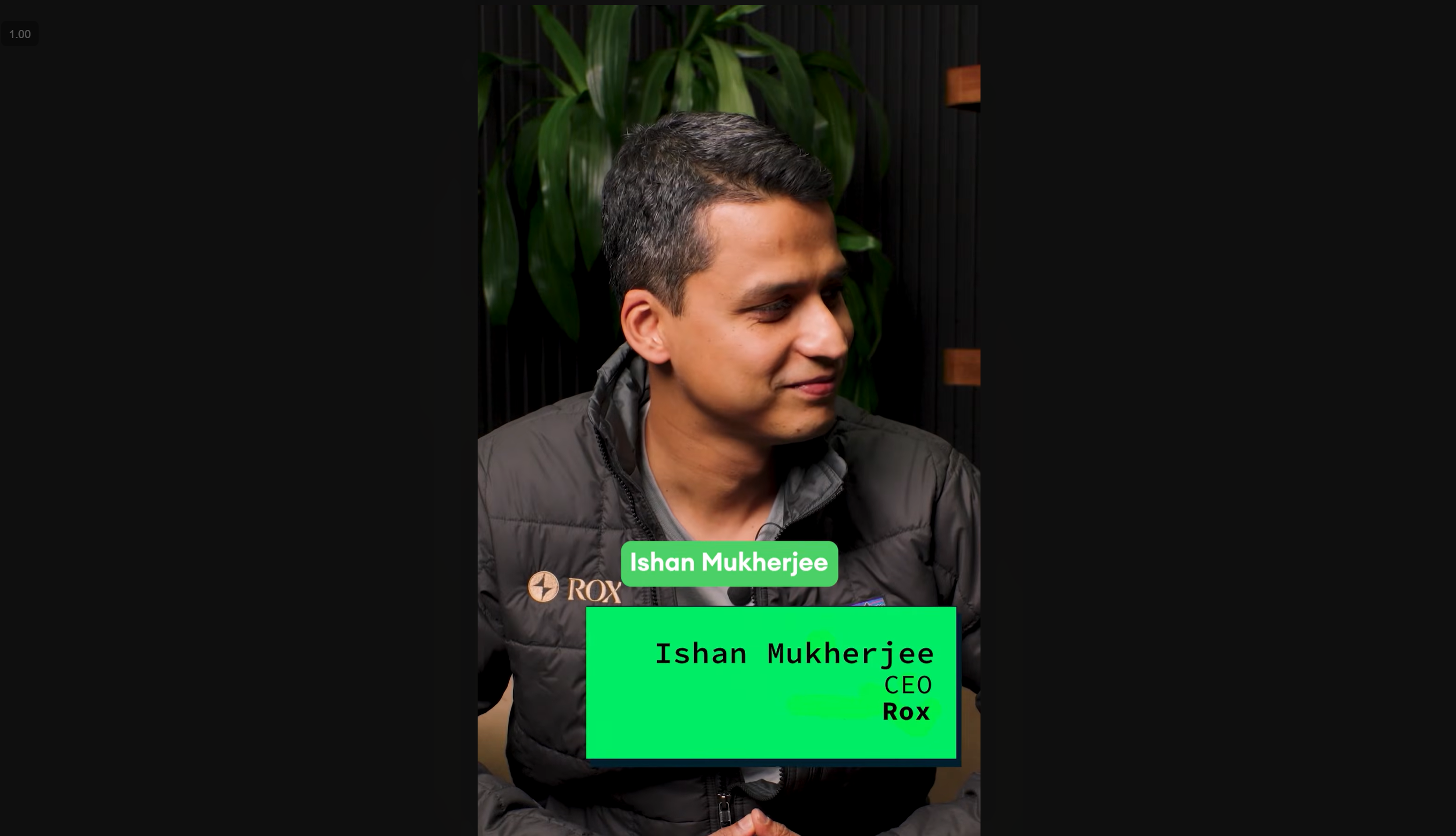
Before you go, watch how Rox is transforming the CRM from a glorified spreadsheet into an intelligent copilot for sales teams.
Next Steps
Want to get inspired by your peers and discover all the ways we empower businesses to innovate for the future? Visit MongoDB’s Customer Success Stories hub to see why these customers, and so many more, build modern applications with MongoDB.